

Common Symptoms
-
Jaw clicking or locking
-
Teeth grinding or clenching
-
Limited mouth opening
-
A feeling of tension or pain in the jaw, face, head, or neck
-
The feeling that your bite is misaligned or that your teeth no longer fit together properly
Possible side effects
-
Headaches
-
Ear discomfort or tinnitus (ringing in the ears)
-
Dizziness
-
A feeling of pressure in the ears
Brief explanation
What is TMD?
TMD disorders (temporomandibular disorders, TMD) refer to dysfunctions involving the interaction of the temporomandibular joint, the masticatory muscles, and the surrounding structures.
Because the jaw is functionally connected to adjacent areas of the body, symptoms often do not occur in the jaw alone. Head, facial, or neck pain can also be related to TMD dysfunction.
For this reason, TMD disorders can present in a wide variety of ways.

My Approach
How I can help you with TMD
Physiotherapy for the temporomandibular joint can specifically address symptoms such as TMD, jaw pain, clicking, clenching, or restricted mouth opening.
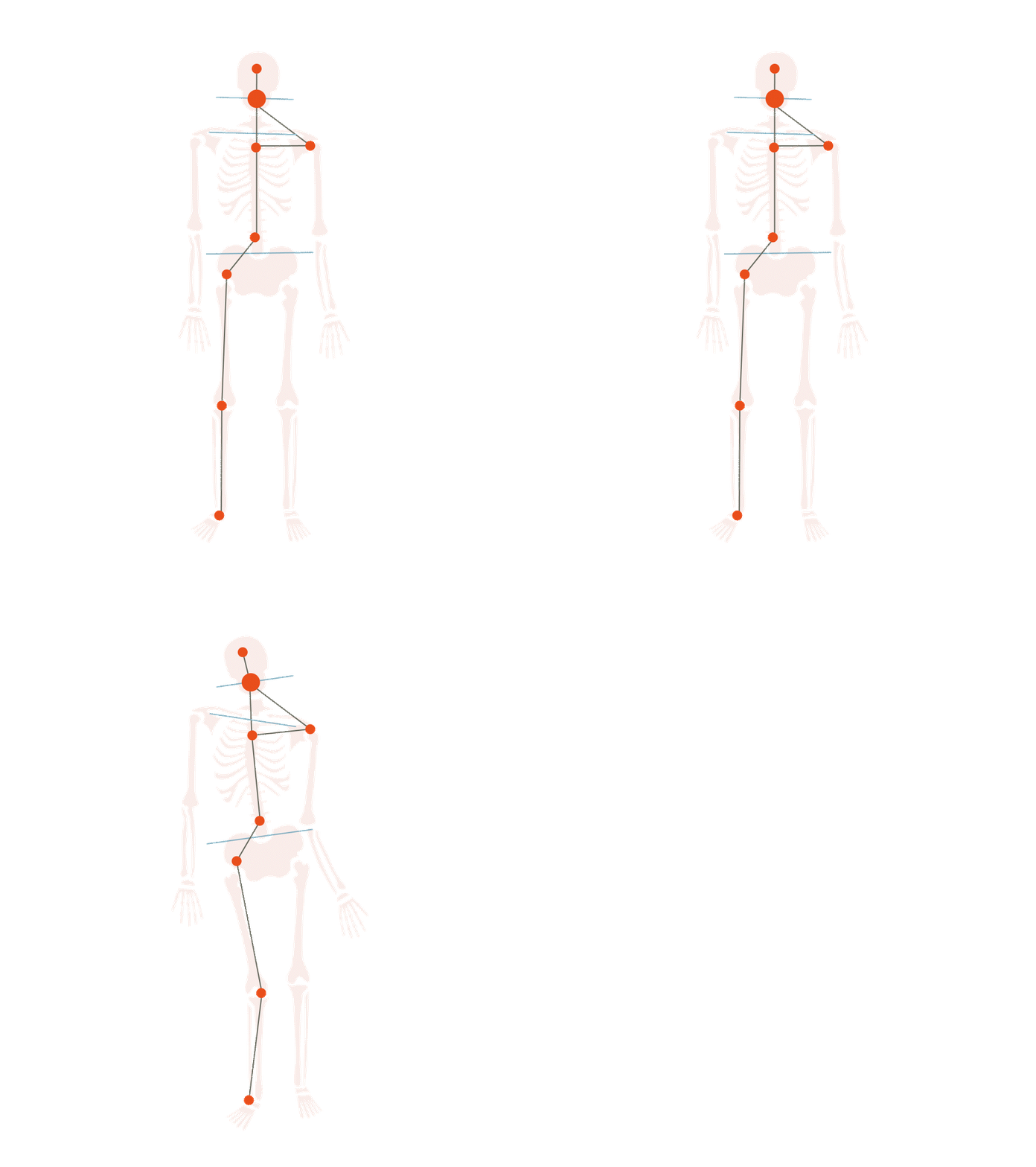
I do not view the jaw in isolation, but in connection with the muscular and fascial chains throughout the body.
Based on a thorough assessment and examination of the whole body, we work together to develop a treatment approach tailored to you and your symptoms.
What to expect at your first appointment
1

Assessment & Consultation
We'll discuss your symptoms, your daily routine, and any possible connections.
2

Physical Examination
I assess the mobility and function of your temporomandibular joint. I also examine tension in the head and neck area that may affect your jaw. I take your posture into account as well to identify any possible connections.
3
Personalized treatment
Based on this, we'll develop a treatment plan that fits your diagnosis and your daily life.
Frequently asked questions about TMD treatment
What happens during physiotherapy treatment for the temporomandibular joint?
At the beginning, we discuss your symptoms and any possible contributing factors. I then assess the mobility and function of the temporomandibular joint, as well as tension in the jaw muscles and the head and neck area. Where relevant to your individual findings, I also take your posture into account. The treatment is tailored to your specific symptoms and may include manual techniques for the temporomandibular joint and surrounding muscles, exercises to do at home, and practical advice on how to reduce strain on the jaw in everyday life.
Is TMD treatment painful?
The treatment is generally well tolerated. Tight or sensitive areas may feel slightly uncomfortable at times. I adjust the intensity to your comfort level throughout the treatment, and you can always let me know how it feels.
Will I receive exercises to do at home?
Yes. If appropriate for your individual assessment, I will show you targeted exercises and ways to reduce strain on your jaw in everyday life. These may include exercises to improve control of jaw movements, relax the jaw muscles, and help you manage tension or teeth clenching. It is important to me that the exercises are easy to understand and fit well into your daily routine.
Do I need a dental splint for TMD treatment?
No, a dental splint is not required for physiotherapy treatment of TMD. Your dentist will decide whether a splint may be beneficial. Physiotherapy and dental splints address different aspects of the condition and can complement each other well. During treatment, I work on areas such as jaw joint mobility, muscular tension, and possible connections with the head, neck, and posture.

Mario Schaus
Physical Therapist, B.S.
Manual Therapist
+49 (0) 170 7890 621
Doctolib appointment
Time for a thorough analysis
Your next step toward relief from TMD disorders
In my practice, I take the time to thoroughly assess your jaw, head, and neck issues. I focus not only on individual symptoms, but also on the underlying causes.
You can easily book your appointment online via Doctolib around the clock, conveniently and without waiting times.
Alternatively, you can also reach me by phone, email or via the contact form.